For most of medical history, the gut and the brain were considered entirely separate systems — one digested food, the other processed thoughts. Over the past two decades, however, a revolution in microbiome research has fundamentally overturned this view. Today, scientists recognize a bidirectional communication network between the gut and the brain so sophisticated it has earned its own name: the gut-brain axis.
What Is the Gut-Brain Axis?
The gut-brain axis refers to the complex, continuous biochemical signaling that occurs between the gastrointestinal tract and the central nervous system. This communication happens through multiple channels: the vagus nerve (the longest cranial nerve, running from the brainstem to the abdomen), the enteric nervous system (sometimes called the "second brain"), immune pathways, and the bloodstream via hormones and metabolites produced by gut bacteria.
The gut is home to an estimated 38 trillion microorganisms — bacteria, fungi, viruses, and archaea — collectively known as the gut microbiome. These organisms are not passive passengers. They produce neurotransmitters, regulate inflammation, metabolize food into bioactive compounds, and directly influence how the brain functions.
How Gut Bacteria Produce Brain Chemicals
Approximately 90 to 95% of the body's serotonin is produced in the gut, not the brain. Specific gut bacteria — including Lactobacillus reuteri and Bifidobacterium longum — stimulate intestinal cells to produce this neurotransmitter, which regulates mood, appetite, and sleep. Gut bacteria also produce gamma-aminobutyric acid (GABA), the brain's primary inhibitory neurotransmitter responsible for calming anxiety and promoting relaxation.
Additionally, the fermentation of dietary fiber by gut bacteria produces short-chain fatty acids (SCFAs) like butyrate, propionate, and acetate. These compounds cross the blood-brain barrier and influence brain cell function, neuroinflammation, and the production of brain-derived neurotrophic factor (BDNF) — a protein essential for learning, memory, and resilience to stress.
Dysbiosis and Mental Health Conditions
Dysbiosis — an imbalance in the gut microbiome — has been linked to a range of mental health conditions. People with depression show consistently lower levels of beneficial bacteria like Lactobacillus and Bifidobacterium species compared to healthy controls. Individuals with anxiety disorders often show altered microbiome composition, increased intestinal permeability ("leaky gut"), and elevated inflammatory markers — all of which are believed to contribute to anxiety symptoms through the gut-brain axis.
What Harms Your Gut Microbiome?
- Antibiotic use (disrupts bacterial diversity for months or years)
- Ultra-processed food, high sugar, and low fiber diets
- Chronic psychological stress
- Poor sleep quality
- Excessive alcohol consumption
- Sedentary lifestyle
How to Improve Your Gut Microbiome for Better Mental Health
Eat a Diverse, Plant-Rich Diet
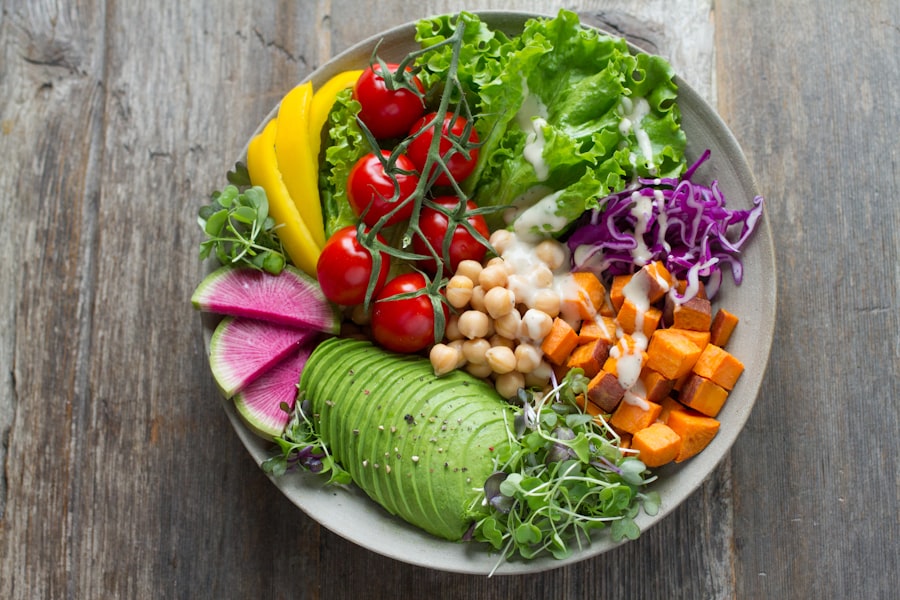
Dietary diversity is the single most powerful driver of microbiome diversity. Aim to eat 30 or more different plant foods per week — including vegetables, fruits, legumes, whole grains, nuts, seeds, and herbs. Each plant contains different types of fiber that feed different bacterial communities.
Prioritize Fermented Foods
Naturally fermented foods like yogurt, kefir, sauerkraut, kimchi, miso, and tempeh introduce live beneficial bacteria into the gut. A 2021 Stanford study found that a diet high in fermented foods significantly increased microbiome diversity and reduced immune activation markers compared to a high-fiber diet alone.
Consider a Probiotic Supplement
Specific probiotic strains have been studied for their effects on mood and stress. A combination of Lactobacillus helveticus R0052 and Bifidobacterium longum R0175 (sold as Probio'Stick in some markets) reduced psychological distress in clinical trials. Lactobacillus rhamnosus JB-1 was shown to reduce anxiety behaviors in animal models. While human clinical evidence is still developing, these "psychobiotics" represent a promising frontier in mental health.
Optimize Your Gut Health
This clinician-formulated probiotic contains 15 clinically studied strains and 50 billion CFU per serving — including strains specifically selected for gut-brain axis support.
View Product & Buy Now →Manage Stress Actively
Stress directly damages the gut microbiome by altering intestinal motility, increasing gut permeability, and changing the composition of bacterial communities. Regular mindfulness practice, yoga, deep breathing, and adequate sleep all help protect gut health through their effects on the stress hormone cortisol.
The Bottom Line
The science of the gut-brain axis is one of the most exciting developments in modern medicine. While it does not mean that gut bacteria alone cause or cure depression and anxiety, it does mean that supporting a healthy, diverse microbiome through diet, lifestyle, and potentially targeted supplementation is a legitimate strategy for supporting both digestive and mental well-being.