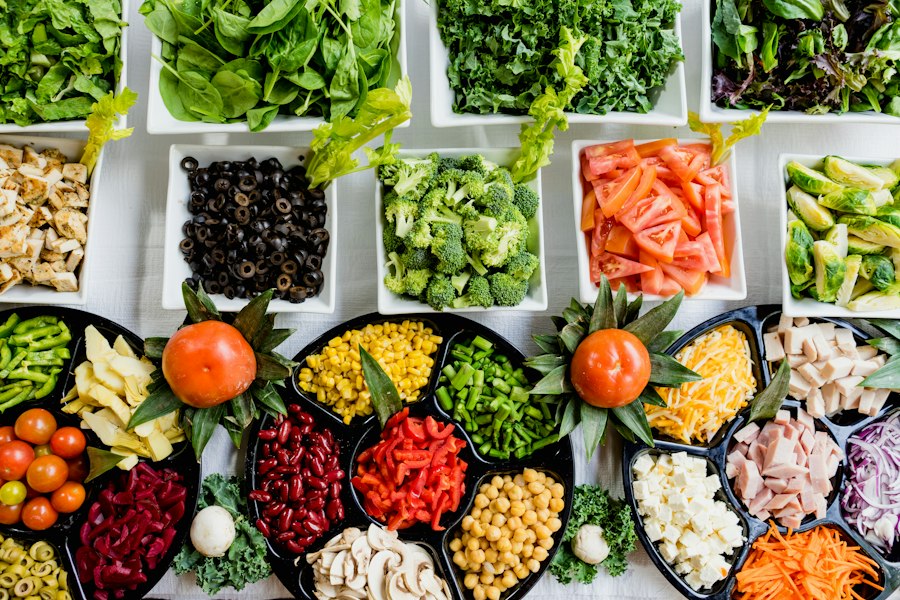
High blood pressure, or hypertension, affects nearly half of all adults in the United States. It is often called the "silent killer" because it typically has no symptoms while quietly damaging blood vessels, the heart, and kidneys over time. While prescription medications are sometimes necessary, a growing body of research confirms that specific foods can meaningfully lower blood pressure and support long-term cardiovascular health.
This article reviews ten of the most well-studied foods for blood pressure management, explains the mechanisms behind their effects, and offers practical tips for incorporating them into everyday meals.
1. Leafy Green Vegetables
Spinach, kale, Swiss chard, and arugula are rich in potassium, a mineral that helps the kidneys excrete excess sodium — one of the primary drivers of elevated blood pressure. Research published in the journal Hypertension found that higher dietary potassium intake was consistently linked to lower systolic blood pressure readings, independent of sodium consumption.
Aim for at least two to three cups of leafy greens per day, whether eaten raw in salads, blended into smoothies, or lightly sautéed with olive oil and garlic.
2. Berries
Blueberries, strawberries, and raspberries contain flavonoids — plant pigments with demonstrated anti-hypertensive properties. A large observational study involving over 34,000 participants found that people with the highest flavonoid intake had blood pressure readings approximately 8% lower than those with the lowest intake. Flavonoids appear to improve endothelial function, allowing blood vessels to relax and dilate more effectively.
3. Oats
Beta-glucan, the soluble fiber found in oats, reduces both total cholesterol and blood pressure. Clinical trials have consistently shown that daily oat consumption lowers systolic pressure by an average of 2 to 3 mmHg and diastolic pressure by 1 to 2 mmHg — modest reductions that, across a population, translate to meaningful reductions in stroke and heart attack risk.
4. Beets and Beet Juice
Beetroot is exceptionally high in dietary nitrates, which the body converts to nitric oxide. Nitric oxide relaxes and widens blood vessels, resulting in lower blood pressure. Studies show that drinking 250 ml (about one cup) of beet juice can lower systolic blood pressure by up to 10 mmHg within hours of consumption. The effect is most pronounced in people with existing hypertension.
5. Fatty Fish (Salmon, Mackerel, Sardines)
The omega-3 fatty acids EPA and DHA found in fatty fish reduce blood pressure through multiple pathways: they decrease inflammation, improve arterial flexibility, and lower triglycerides. The American Heart Association recommends eating at least two servings of fatty fish per week for cardiovascular benefit. If regular fish consumption is not practical, a high-quality fish oil supplement can provide a similar benefit.
Looking for a Premium Omega-3 Supplement?
Our editors have reviewed dozens of fish oil products. This top-rated formulation delivers therapeutic doses of EPA and DHA from wild-caught fish with third-party purity testing.
View Recommended Product →6. Garlic
Allicin, the active compound released when garlic is crushed or chopped, has been shown in multiple randomized controlled trials to reduce blood pressure in people with hypertension. A meta-analysis of 12 trials found mean reductions of 8.3 mmHg systolic and 5.5 mmHg diastolic in hypertensive subjects. Fresh garlic, aged garlic extract, and garlic powder supplements all appear effective.
7. Dark Chocolate (70%+ Cocoa)
Cocoa flavanols stimulate the production of nitric oxide, similarly to beet juice. A 2010 meta-analysis in the BMJ found that flavanol-rich cocoa products reduced blood pressure by an average of 2.8 mmHg systolic and 2.2 mmHg diastolic. The key caveat: benefits are seen with dark chocolate containing at least 70% cocoa, consumed in modest amounts (20–30 grams per day). Milk chocolate and confectionery products do not carry these benefits.
8. Pomegranate
Pomegranate juice contains punicalagins and anthocyanins — antioxidants shown to inhibit ACE (angiotensin-converting enzyme), the same target as a common class of blood pressure medications. A clinical trial published in Plant Foods for Human Nutrition found that hypertensive patients who drank 150 ml of pomegranate juice daily for two weeks experienced a significant drop in both systolic and diastolic pressure.
9. Pistachios
Among tree nuts, pistachios have shown the most consistent blood pressure-lowering effects in clinical research. A 2013 meta-analysis found that pistachio consumption was associated with a 1.82 mmHg reduction in systolic blood pressure. The mechanism likely involves the favorable fatty acid profile, fiber, potassium, and phytosterols present in these nuts working synergistically.
10. Olive Oil
The PREDIMED trial, one of the largest dietary intervention studies ever conducted, found that a Mediterranean diet rich in extra virgin olive oil reduced major cardiovascular events by about 30%. Polyphenols in extra virgin olive oil, particularly oleocanthal and hydroxytyrosol, appear to lower blood pressure and reduce arterial stiffness. Using olive oil as your primary cooking fat and salad dressing is a practical way to gain these benefits.
Practical Tips for Implementation
- Build meals around vegetables, fruits, whole grains, and lean protein.
- Replace processed snacks with a small handful of pistachios or 1–2 squares of dark chocolate.
- Add a daily smoothie with spinach, blueberries, and beet powder.
- Use olive oil in cooking and on salads instead of butter or seed oils.
- Include fatty fish at least twice per week.
"Dietary change is among the most powerful — and most underutilized — tools in cardiovascular medicine. Small, consistent shifts in eating patterns can produce blood pressure reductions comparable to a low-dose medication." — American Heart Association Guidelines
The Bottom Line
No single food will cure hypertension, but a consistent dietary pattern built around the foods described above can meaningfully lower blood pressure and reduce the risk of stroke, heart attack, and kidney disease. Combine these dietary strategies with regular physical activity, adequate sleep, and stress management for the most robust cardiovascular protection.
Always consult your healthcare provider before making significant changes to your diet, particularly if you are currently taking blood pressure medication.